
Home Heating Savings: An Odd-Looking Method That Works
As winter approaches, many homeowners begin to dread the inevitable rise in heating bills. Finding effective ways to keep your home warm without breaking the bank can feel like a constant battle. While major upgrades like new insulation or a high-efficiency furnace offer significant savings, they often come with a substantial upfront cost. But what if there was a simple, visually distinctive method that could noticeably reduce your energy consumption and, by extension, your heating expenses?
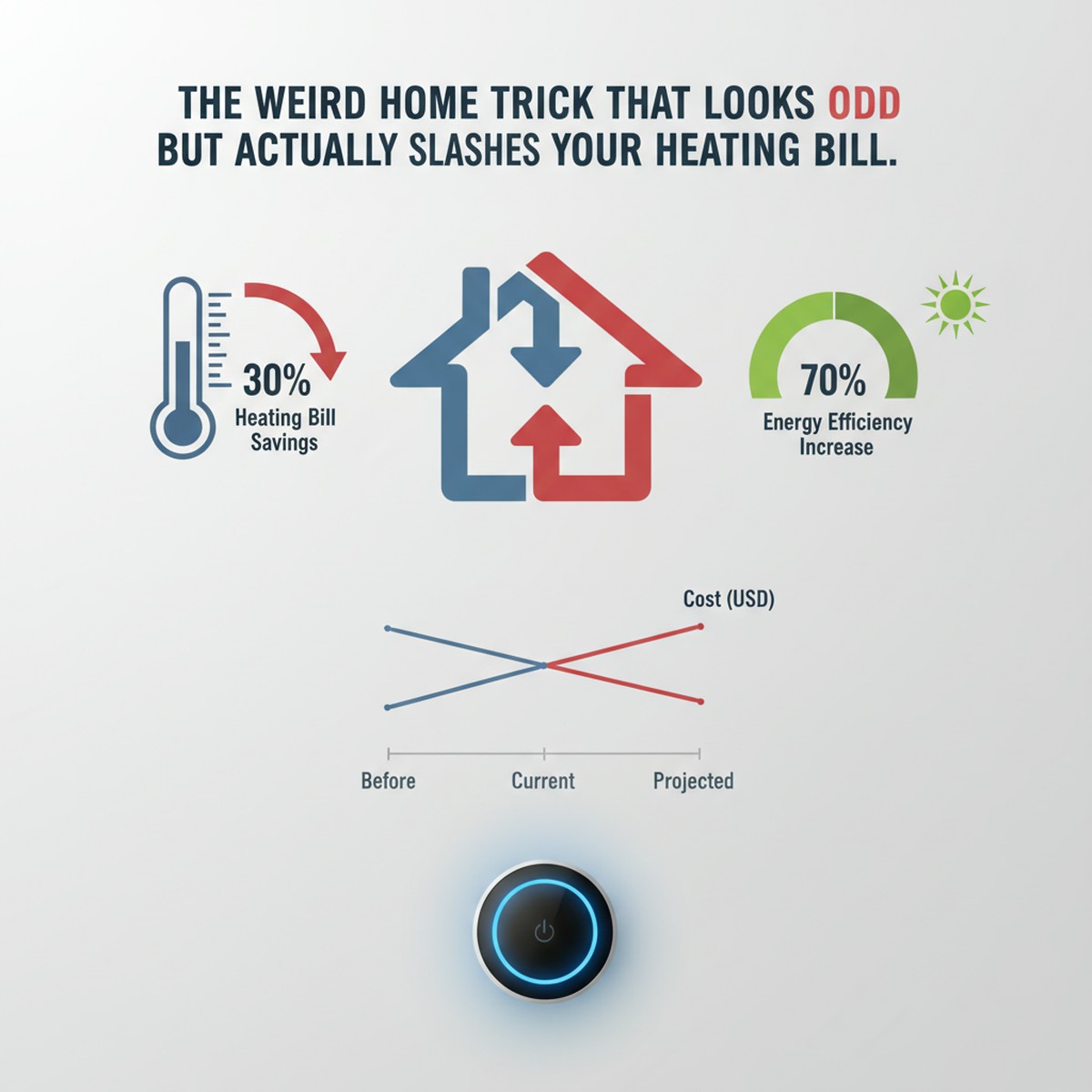
The solution might lie in what some refer to as The Weird Home Trick That Looks Odd But Actually Slashes Your Heating Bill. This method, often overlooked due to its unconventional appearance, involves strategically placing reflective barriers in specific areas of your home. The core idea is to harness the power of thermal radiation, directing heat back into your living spaces rather than letting it escape.
As winter approaches, many homeowners begin to dread the inevitable rise in heating bills.
Understanding the Visual Challenge
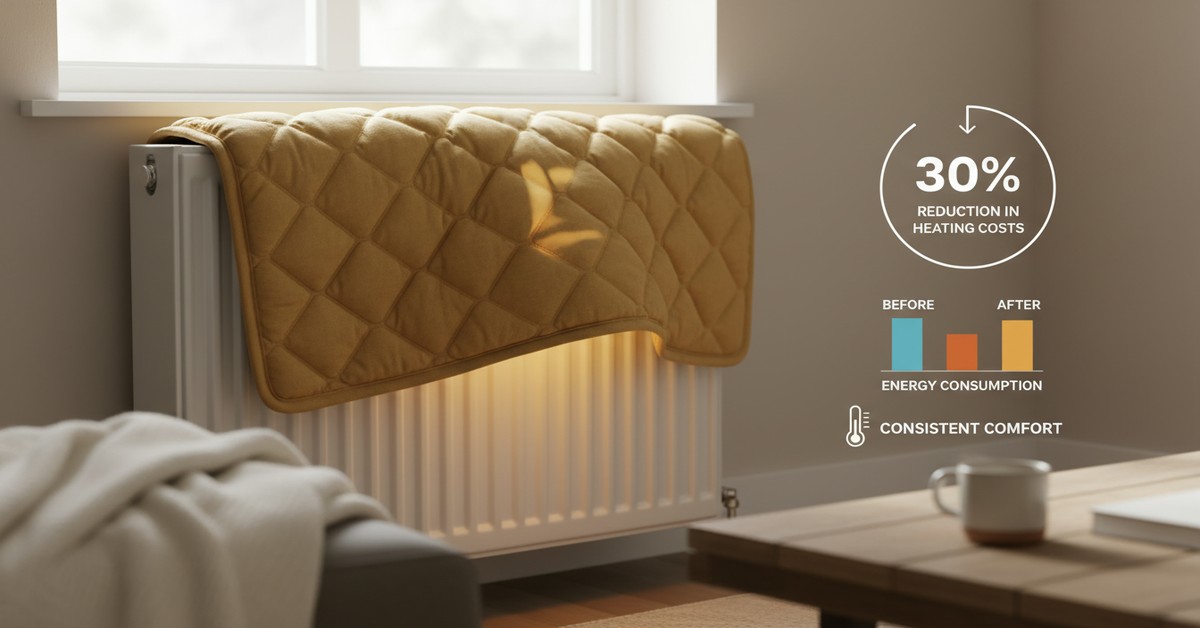
The "trick" typically involves using reflective foil – similar to space blankets or car windshield sunshades – behind radiators, on windows, or even carefully placed on walls that are prone to heat loss. The visual aspect is indeed unique; a metallic, shiny surface might not blend seamlessly with all decor styles. However, its effectiveness often outweighs the aesthetic consideration for those prioritizing warmth and savings.
How This Odd Method Works
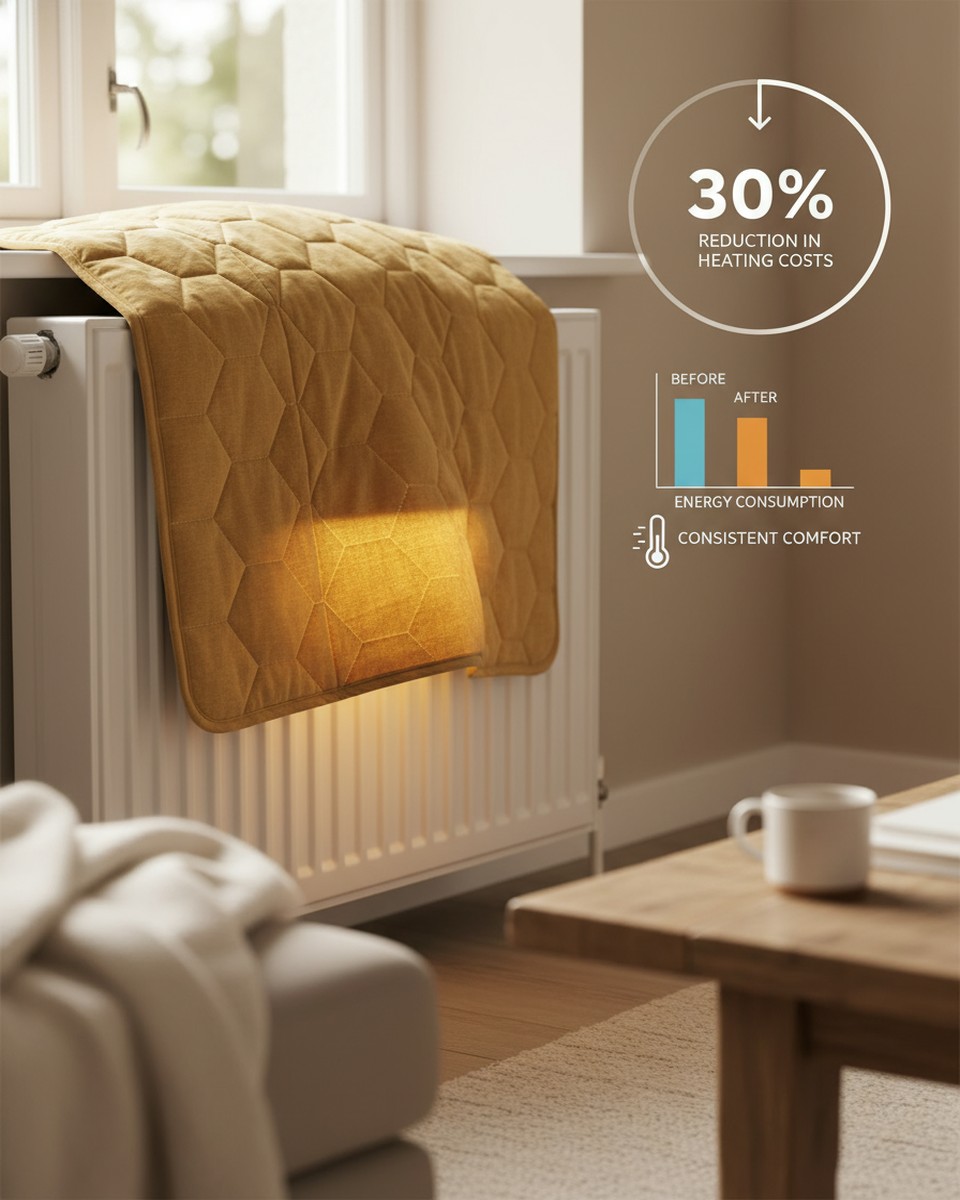
According to the U.S. Department of Energy, heat can be lost through several mechanisms, including conduction, convection, and radiation. Radiant barriers work by reflecting radiant heat. When heat from a radiator, for instance, radiates towards a cold exterior wall, much of it can be absorbed by the wall and lost to the outside. Placing a reflective surface behind the radiator bounces a significant portion of that radiant heat back into the room, warming your indoor air more efficiently.
Similarly, when applied to windows, particularly older, single-pane units, reflective films or panels can reduce heat loss. While they may slightly obstruct the view or alter the natural light, their ability to create an additional insulating layer and reflect heat can be quite powerful. Good Housekeeping has often highlighted such clever home hacks, emphasizing their practicality and cost-effectiveness in managing household expenses.
Installation and Potential Savings
Installing these reflective barriers is generally straightforward and requires minimal tools. For radiators, you can cut rigid reflective panels or even heavy-duty aluminum foil to size and secure them to the wall behind the radiator, ensuring an air gap for optimal performance. For windows, special reflective films can be applied directly to the glass, or custom-fit panels can be created for temporary use during colder months.
While the exact savings can vary depending on your home's insulation, climate, and existing heating system, many users report a noticeable reduction in their heating bills, often in the range of 10% to 20%. This seemingly minor adjustment leverages fundamental principles of physics to make a tangible difference in your energy consumption, proving that sometimes the simplest, most visually distinctive solutions are the most impactful.
Beyond the Radiator: Other Reflective Opportunities
- Window Films: Specialty films can be applied to windows to reflect heat inwards during winter and outwards during summer, offering year-round benefits.
- Door Draft Stops: While not strictly reflective, visually distinct draft stoppers at the base of doors prevent warm air escape, complementing the overall heat retention strategy.
- Attic Radiant Barriers: More of an installation, but the principle is the same – reflecting heat to prevent transfer through the roof.
Embracing this visually challenging but highly effective home modification could be a smart move for anyone looking to control their heating costs without a major financial outlay. It’s a testament to how practical, low-tech solutions can yield significant results in home energy efficiency.