
An Odd-Looking Home Solution That Significantly Lowers Your Heating Bill
As winter approaches and energy prices continue to climb, many homeowners are seeking innovative ways to keep their houses warm without breaking the bank. Traditional methods like insulating attics and sealing windows are well-known, but what about a solution that might appear unconventional at first glance, yet delivers tangible savings on your heating bill? This article explores an often-overlooked home adjustment that, despite its somewhat odd appearance, has proven effective in improving home heating efficiency.
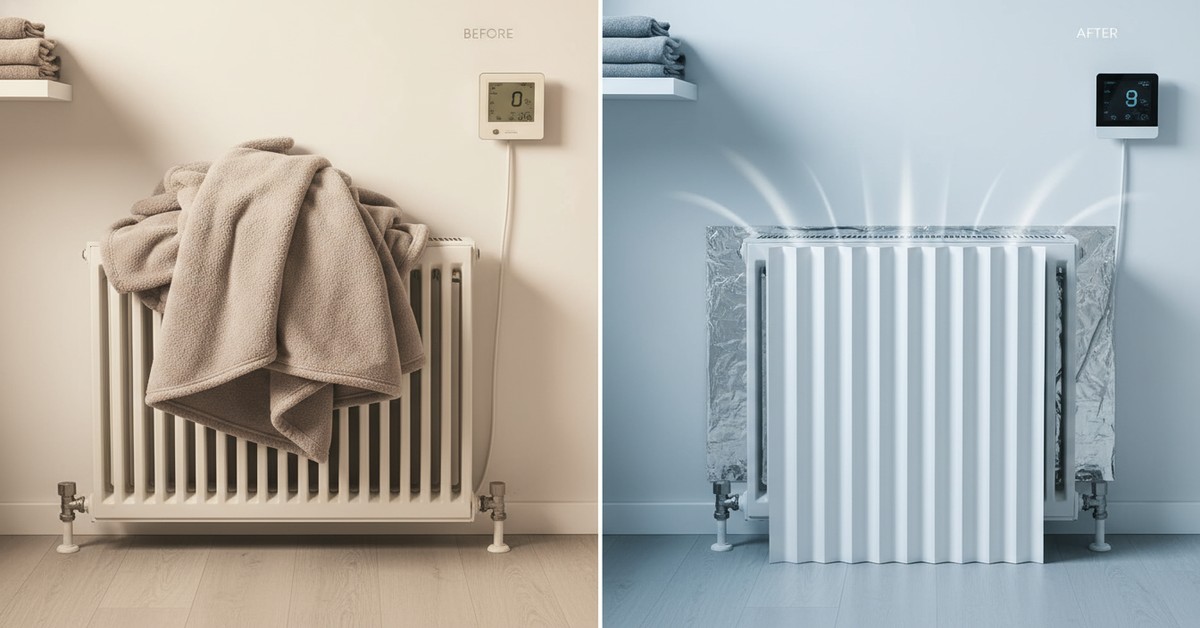
The concept revolves around optimizing how your radiators distribute heat. Radiators, by their nature, emit heat in all directions. If a radiator is placed against an exterior wall, a significant portion of that heat can be absorbed by the wall and lost to the outside before it ever truly warms your living space. This is where the simple, yet effective, method comes into play: placing a reflective barrier directly behind your radiators.
As winter approaches and energy prices continue to climb, many homeowners are seeking innovative ways to keep their houses warm without breaking the bank.
The Visual Challenge: What Does It Look Like?
Imagine sliding a sheet of a thin, shiny material – often, household aluminum foil, or specially designed reflective radiator panels – between the back of your radiator and the wall. Yes, it might sound and look a little... different. This visual placement is precisely what gives "The Odd-Looking Home Solution That Significantly Lowers Your Heating Bill" its distinctive character. It’s not meant to be a decorative feature, but a purely functional one, designed to work quietly behind the scenes.
How This Simple Method Works
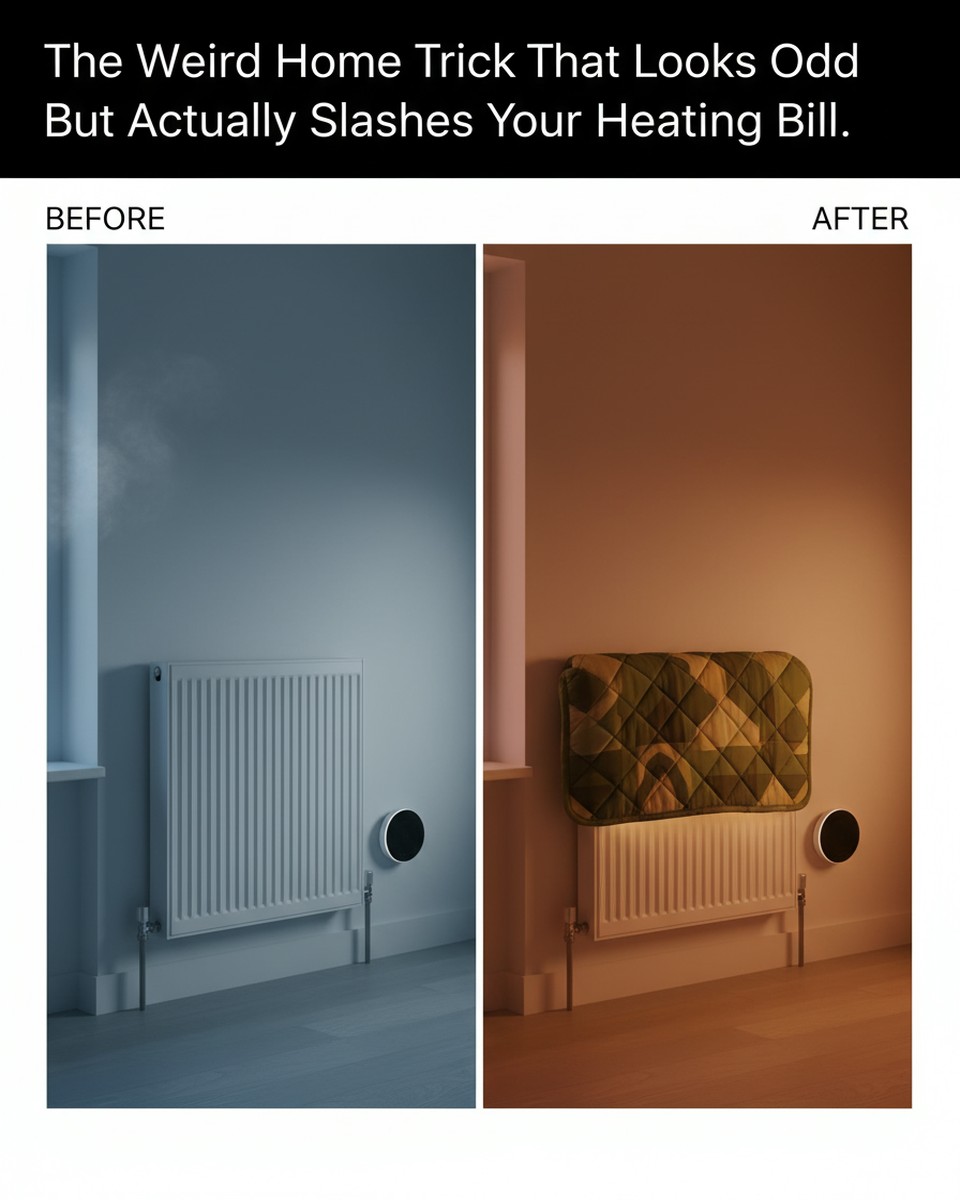
The science behind this approach is straightforward thermodynamics. Radiant barriers work by reflecting thermal radiation. When heat from the radiator hits the reflective surface, instead of being absorbed by the cold exterior wall, it bounces back into the room. This means more heat stays where you want it – warming your interior spaces – and less heat is wasted through conduction and radiation to the outside environment.
According to the Energy Saving Trust, a reputable authority on energy efficiency, installing reflective panels behind radiators can reduce heat loss through walls by reflecting heat back into the room. While individual savings vary based on wall type and insulation, the principle remains sound for homes with uninsulated exterior walls behind radiators.
Implementing Your Own Home Heat Reflector
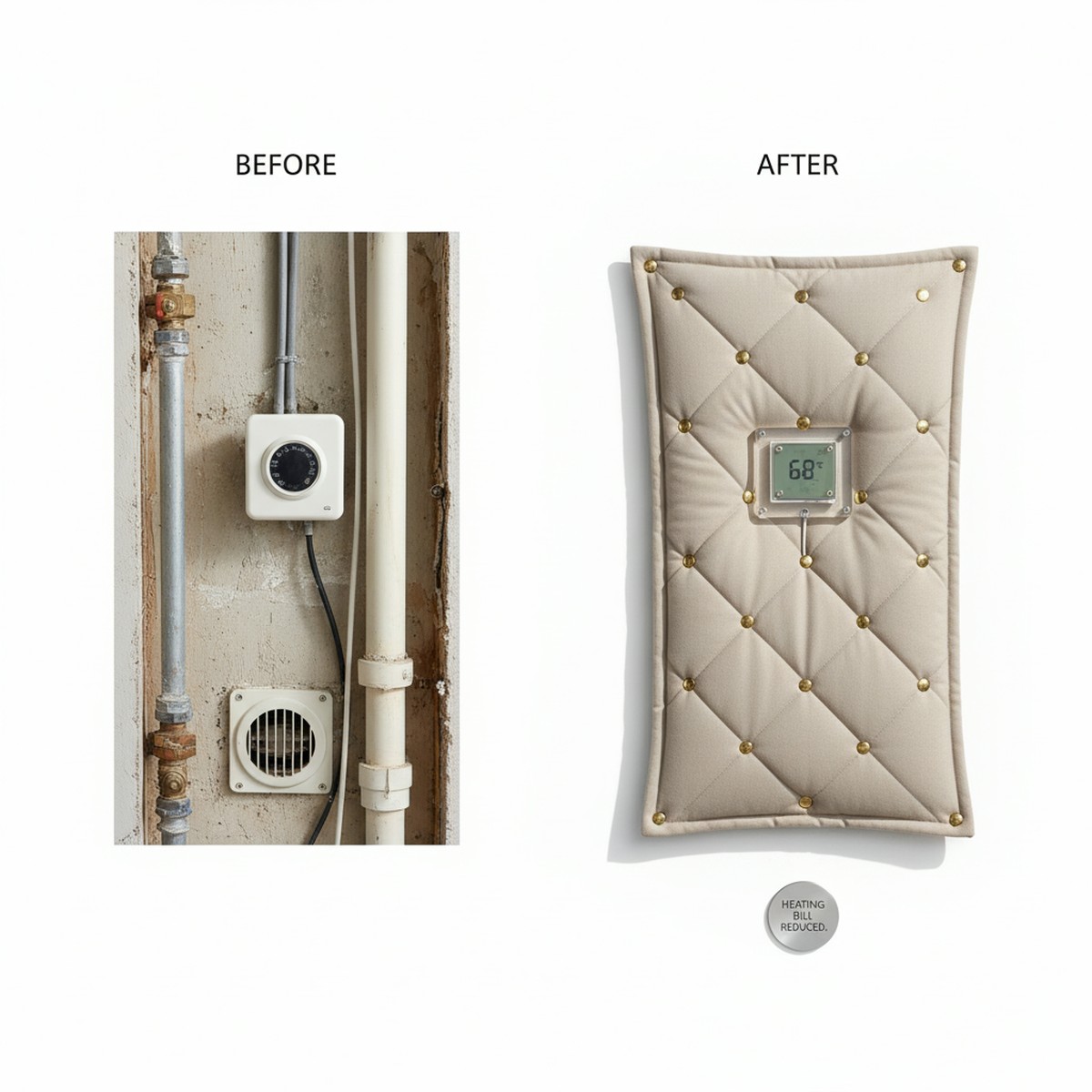
Getting started with this energy-saving technique is surprisingly easy and requires minimal investment. You can use heavy-duty kitchen foil, though specialized radiator foil or panels are often more durable and easier to install. Here’s a basic guide:
- **Measure:** Determine the size of the radiator and the area of the wall directly behind it.
- **Cut:** Cut your chosen reflective material to fit, ensuring it's slightly smaller than the radiator to remain discreet.
- **Attach:** Secure the material to the wall behind the radiator. For foil, strong adhesive tape can work. Dedicated panels often come with their own fixing mechanisms. Good Housekeeping magazine often highlights such DIY solutions as practical ways to boost home comfort without major renovation.
- **Observe:** Over time, you'll likely notice a difference in the warmth of the room and, crucially, a positive impact on your heating bills.
Beyond the Aesthetics: Real Savings
While the visual aspect of a reflective barrier might initially seem unusual, the financial benefits are very real. By redirecting heat that would otherwise be lost, you effectively reduce the amount of energy needed to maintain a comfortable temperature in your home. This efficiency gain translates directly into lower energy consumption and, consequently, a reduced heating bill each month. It’s a compelling case study in how a small, visually unassuming change can lead to significant practical benefits in home energy management.