
A Unique Home Method for Reducing Heating Costs
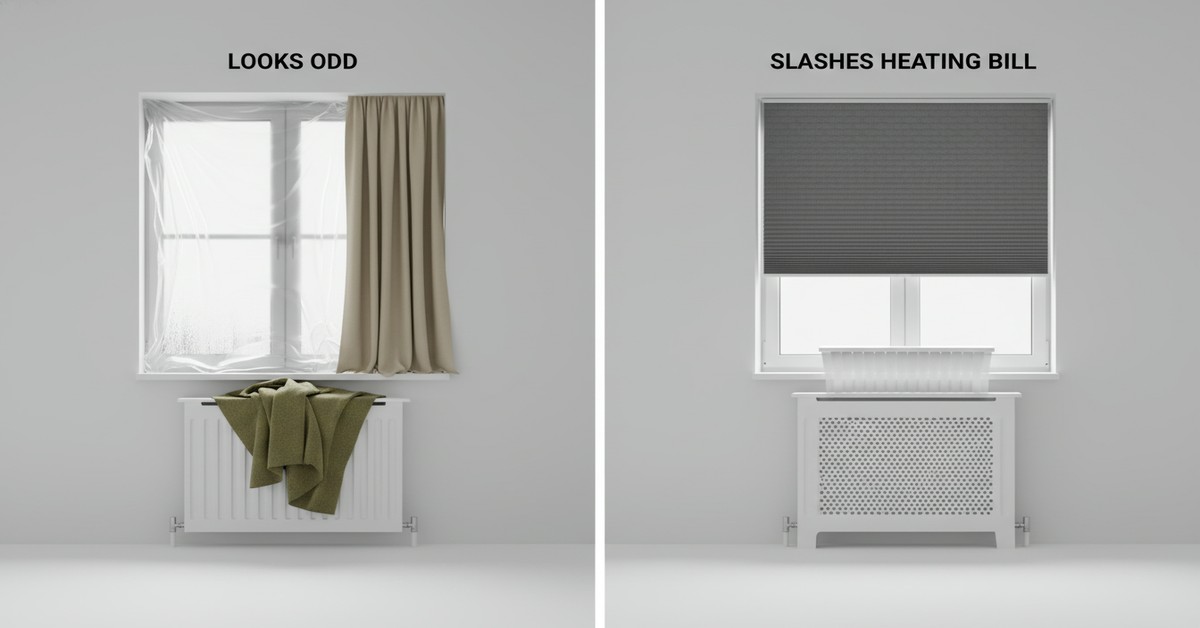
As winter approaches, many homeowners begin to dread the inevitable rise in their heating bills. While traditional insulation, window upgrades, and furnace maintenance are crucial, there’s an often-overlooked and visually distinct method that can significantly impact your home's thermal efficiency. It might look a little out of place at first glance, but its effectiveness in slashing heating expenses is well-documented.
As winter approaches, many homeowners begin to dread the inevitable rise in their heating bills.
The Reflective Radiator Panel Method
This method involves strategically placing reflective panels behind your radiators. For homes with external walls or less-than-perfect insulation, a significant amount of heat can escape through the wall directly behind the radiator. Instead of radiating warmth into the brick or plaster, these panels reflect the heat back into the room, ensuring that more of your energy investment contributes to your comfort.
Think of it as giving your radiator a subtle, yet powerful, mirror. The science is simple: heat energy, particularly radiant heat, will bounce off reflective surfaces. By preventing heat absorption into cold walls, you optimize the distribution of warmth throughout your living space. This means your heating system doesn't have to work as hard, leading to a direct reduction in energy consumption and, consequently, lower bills.
Why It Looks Odd But Works
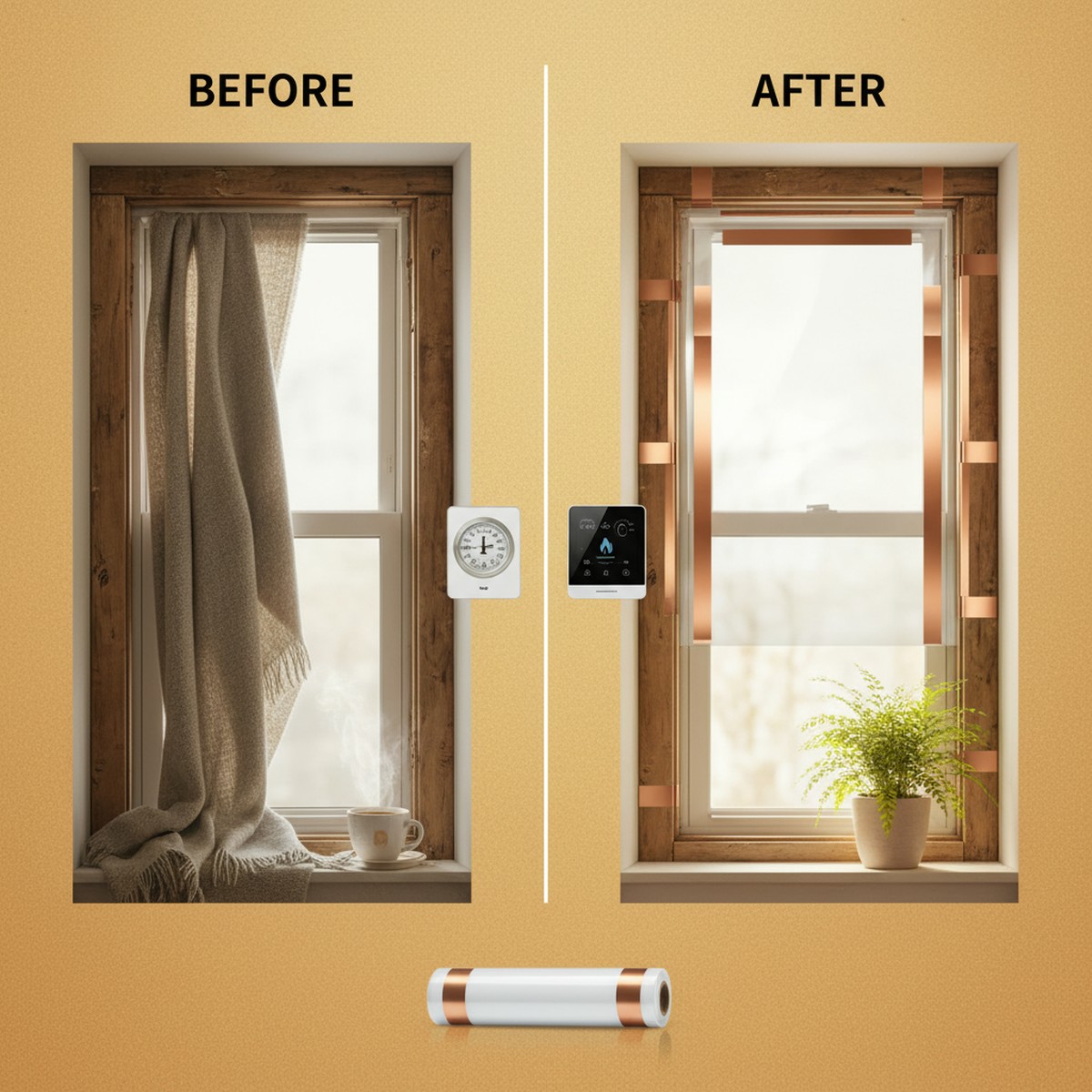
For some, the idea of placing what looks like foil behind a radiator might seem unconventional, even a bit 'DIY'. And it is. Many commercial products are designed for this purpose, but a budget-friendly alternative often involves heavy-duty kitchen foil or specialized reflective insulation sheets. While not always the most aesthetically integrated solution, especially in minimalist decors, the visual impact is often minimal once installed discreetly.
According to Energy.gov, radiant barriers can be effective in reducing heat transfer. While their primary focus is often on attics to reduce summer heat gain, the principle of reflecting radiant heat is equally applicable in reverse for retaining warmth during colder months. The key is understanding that heat moves in multiple ways, and interrupting even one of those pathways can lead to noticeable savings.
Installation and Materials
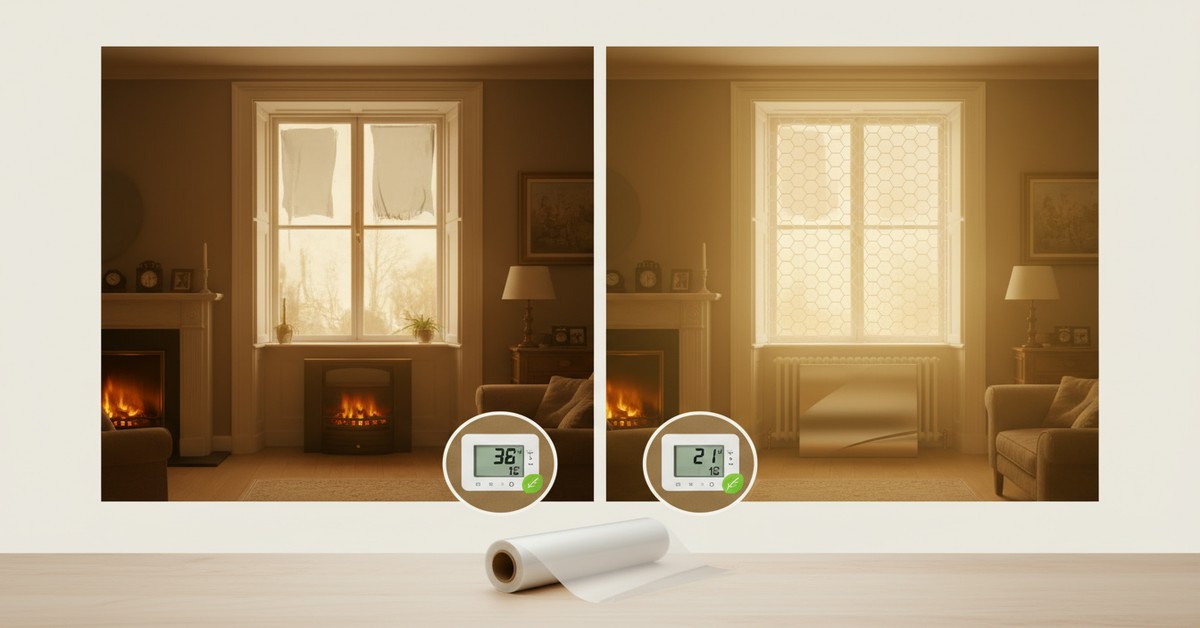
Installation is typically straightforward and requires minimal tools. You can purchase specific radiator reflector panels made from polyethylene foam and aluminum foil, or create your own with rigid insulation boards faced with heavy-duty aluminum foil. The main goal is to ensure the reflective surface faces the radiator and is positioned to prevent heat from escaping into the wall.
- Measure: Cut the reflective material to fit slightly smaller than your radiator.
- Clean: Ensure the wall behind the radiator is clean and dry.
- Attach: Use strong adhesive tape or clips to secure the panel to the wall or the back of the radiator itself, if accessible.
- Observe: Notice the difference in room warmth and check your heating bills over the following months.
As explained by WikiHow, careful installation ensures maximum effectiveness and longevity of the reflective barrier. It’s a small, inexpensive change that can yield surprising long-term benefits.
This 'odd' home improvement is a testament to the fact that not all effective solutions need to be complex or expensive. By reflecting otherwise wasted heat back into your rooms, you can enhance your home's warmth and make a tangible dent in those rising heating costs.