
An Unconventional Home Method for Reducing Your Heating Costs
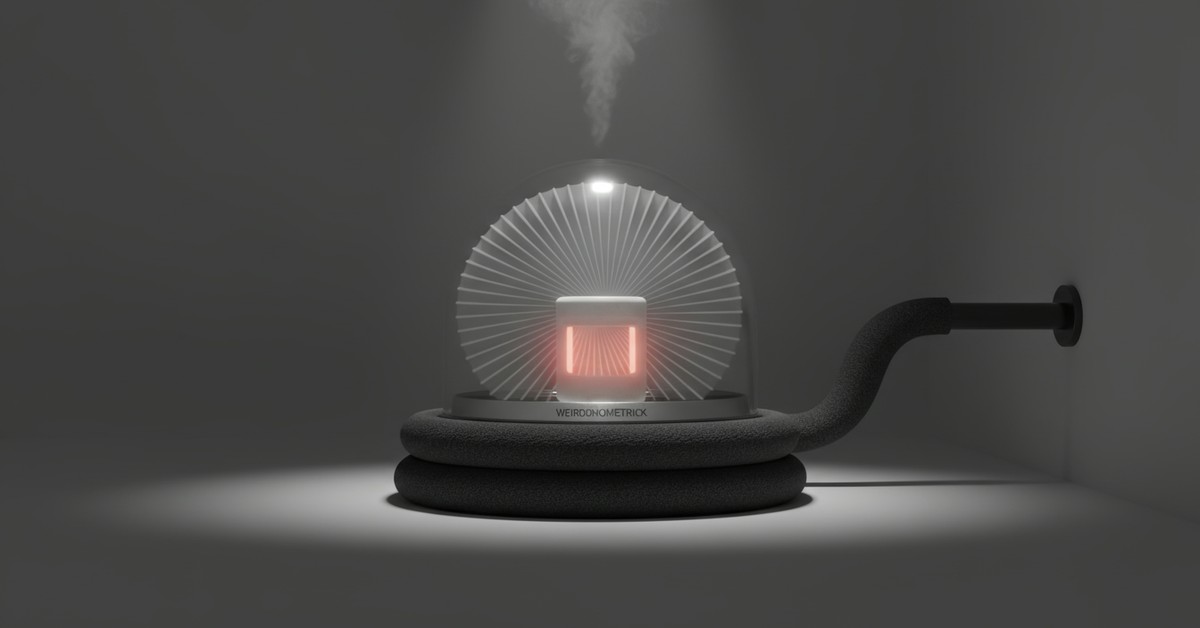
Rising energy costs are a constant concern for many homeowners, especially as colder months approach. The quest for a warmer home without a skyrocketing heating bill often leads people down conventional paths: better insulation, sealing drafts, or upgrading thermostats. However, sometimes the most effective solutions are those that appear a little out of the ordinary.
You might have heard whispers of "The Weird Home Trick That Looks Odd But Actually Slashes Your Heating Bill." This isn't a myth or a complicated engineering feat; rather, it often refers to visually distinct, yet highly effective, methods of heat retention and energy efficiency that many overlook due to their unconventional appearance.
Rising energy costs are a constant concern for many homeowners, especially as colder months approach.
The Principle Behind Unconventional Heat Retention
At its core, saving on heating involves minimizing heat loss and maximizing heat generation efficiency. While traditional methods focus on insulation thickness or furnace efficiency, unconventional approaches often exploit specific points of heat escape in ways that might seem visually peculiar. For example, strategically placed reflective panels behind radiators can direct heat back into the room rather than letting it escape through exterior walls. Or, certain draft stoppers, while highly effective, might look bulky or unusual compared to sleek home decor.
These methods prioritize function over form in a very direct way. The "odd look" is a byproduct of addressing a specific thermal inefficiency with a simple, often low-cost, solution.
Practical Applications and What to Expect
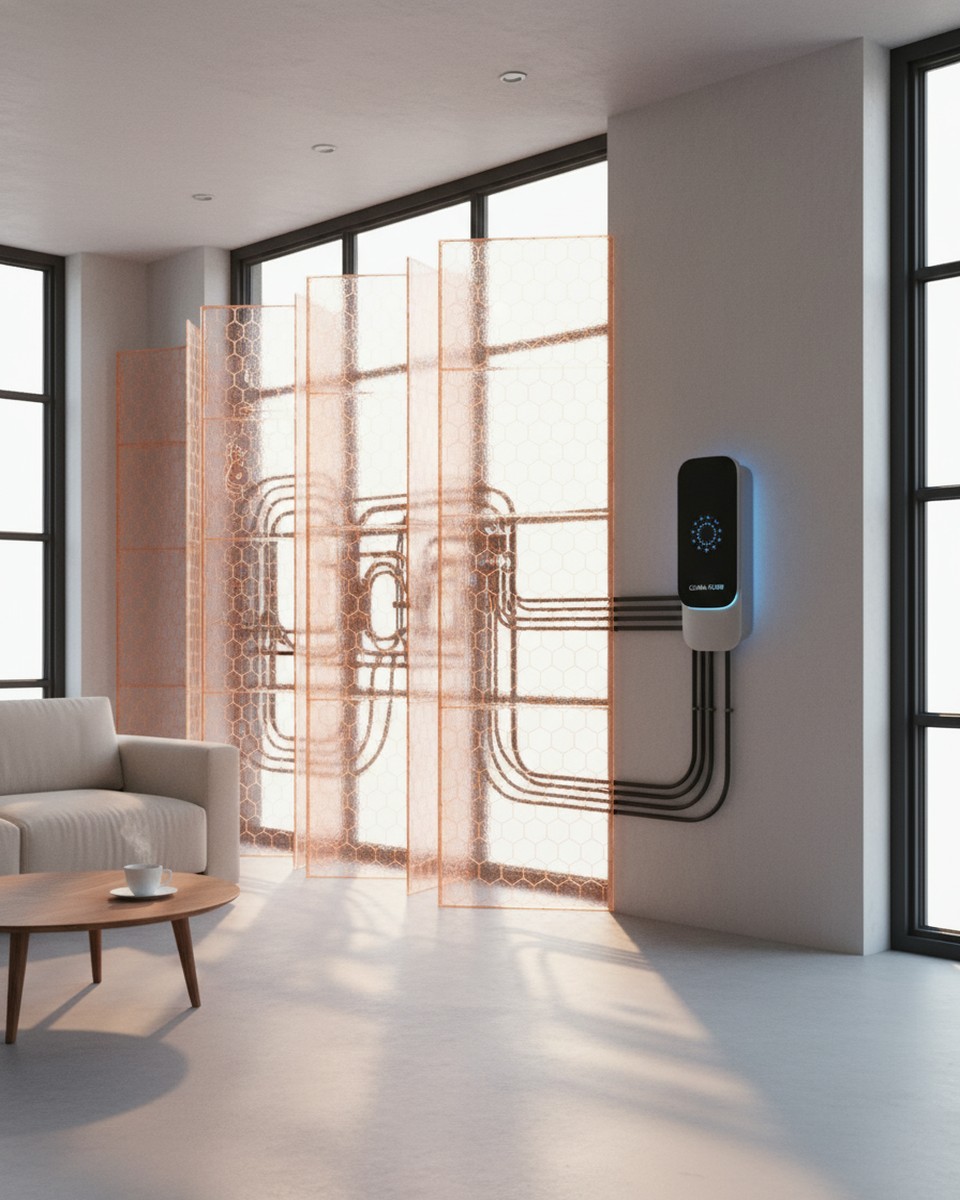
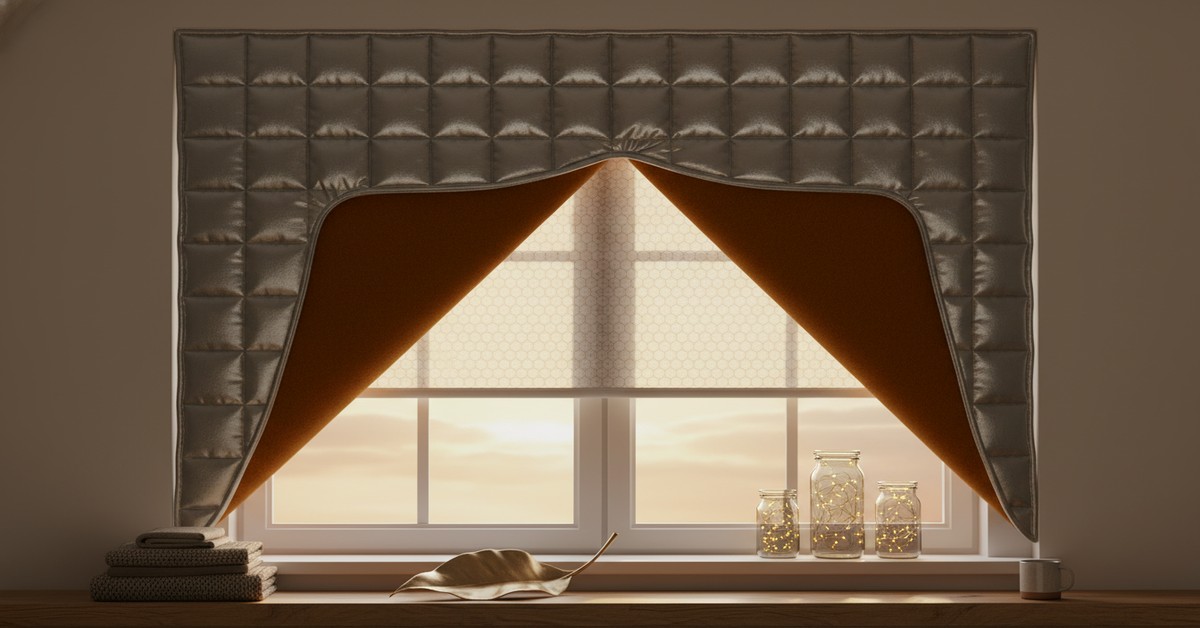
Consider the placement of thick, insulated curtains that cover entire window frames, even extending to the floor. While visually different from standard decorative drapes, they create an insulating barrier that significantly reduces heat loss through glass. Another example involves internal window films that, once applied, might slightly alter the window's appearance but drastically improve its thermal performance by reducing radiant heat transfer.
These are not design choices made for aesthetics, but rather practical implementations for tangible savings. The initial visual adjustment is quickly offset by the noticeable drop in your monthly heating expenditures.
Expert Endorsements and Proven Effectiveness
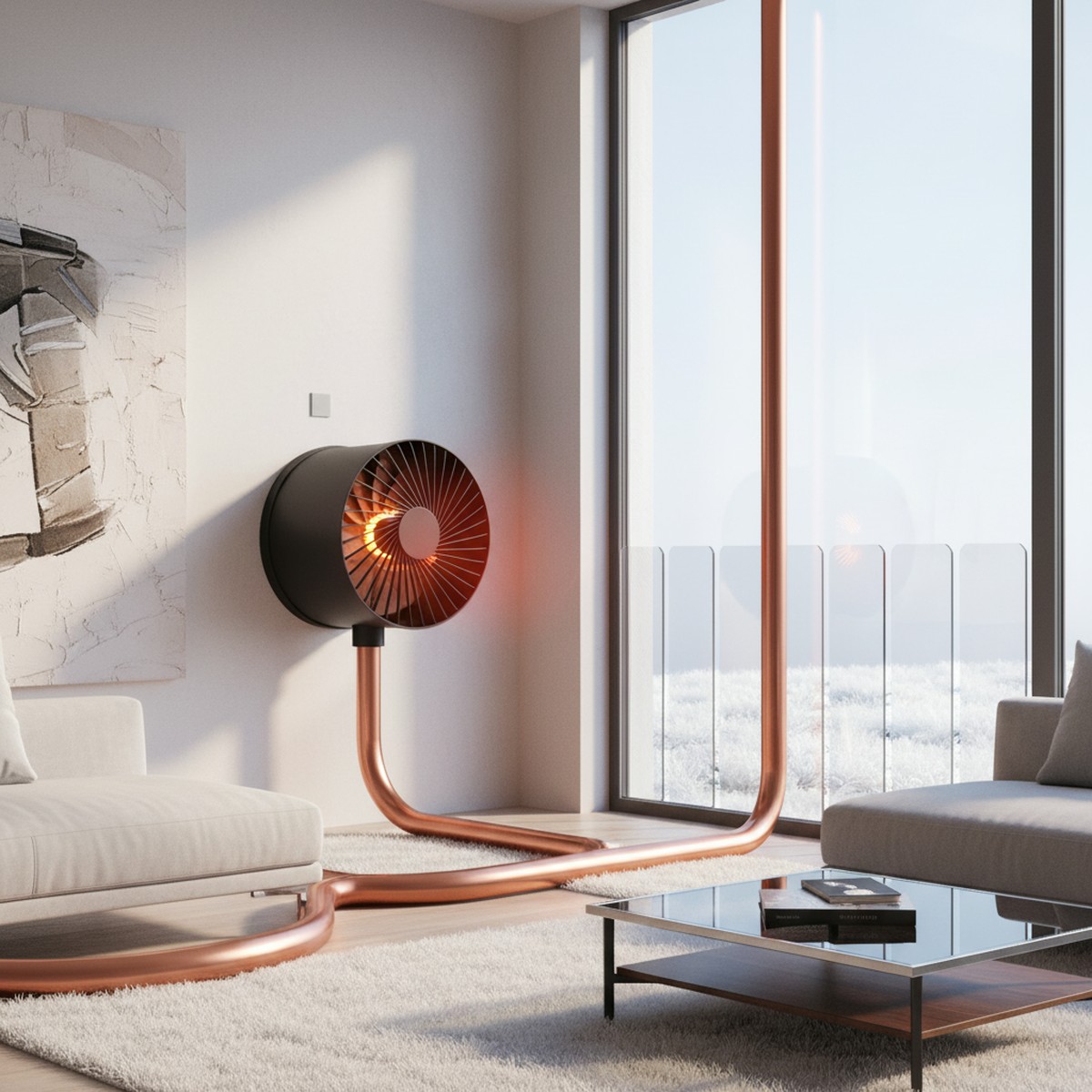
Many of these visually distinct methods are not just anecdotal; they are backed by energy efficiency principles. For instance, according to the U.S. Department of Energy, addressing air leaks and improving window insulation are among the most cost-effective ways to save energy at home. While they don't explicitly endorse "weird tricks," the underlying physics of these solutions align perfectly with recommended energy-saving practices.
Furthermore, platforms like Good Housekeeping often feature articles on practical, budget-friendly ways to improve home efficiency, sometimes highlighting solutions that might seem humble but yield significant results. It's about smart, informed choices, not necessarily high-tech overhauls.
Beyond the Visual: Understanding Your Home's Energy Needs
While embracing visually unconventional methods can significantly contribute to savings, a holistic approach is always best. Understanding where your home loses the most heat – through windows, doors, or inadequate wall insulation – allows you to apply targeted solutions. The goal is to create a more stable internal environment that requires less energy to maintain a comfortable temperature.
Ultimately, a home that looks slightly different but keeps you warm and saves you money is often more desirable than one that looks perfect but drains your wallet. Embracing these visually distinct yet effective strategies could be the key to significantly slashing your heating bill this season.