
An Unconventional Home Technique to Reduce Heating Costs
As winter approaches, or even during milder seasons, the battle against rising heating bills is a familiar one for many homeowners. We often think of major insulation projects or new windows when considering energy efficiency. However, sometimes the most impactful solutions are also the most unconventional – methods that might look a little 'odd' but deliver significant savings.
As winter approaches, or even during milder seasons, the battle against rising heating bills is a familiar one for many homeowners.
Overlooked Opportunities for Heat Retention
Many homes lose valuable heat through various overlooked pathways. While sealing obvious drafts is a given, there are often simpler, visually distinct techniques that go ignored, primarily because they don't look like professional installations or involve materials we don't typically associate with home improvement. This is where an often-dismissed but highly effective approach comes into play.
Consider the area behind your radiators. If your radiators are on exterior walls, a significant amount of the heat they produce can be absorbed by the wall itself and escape outside. While this might seem like a minor issue, cumulative heat loss over a heating season can add up to substantial energy waste and higher bills.
The Simple, Visually Distinct Solution
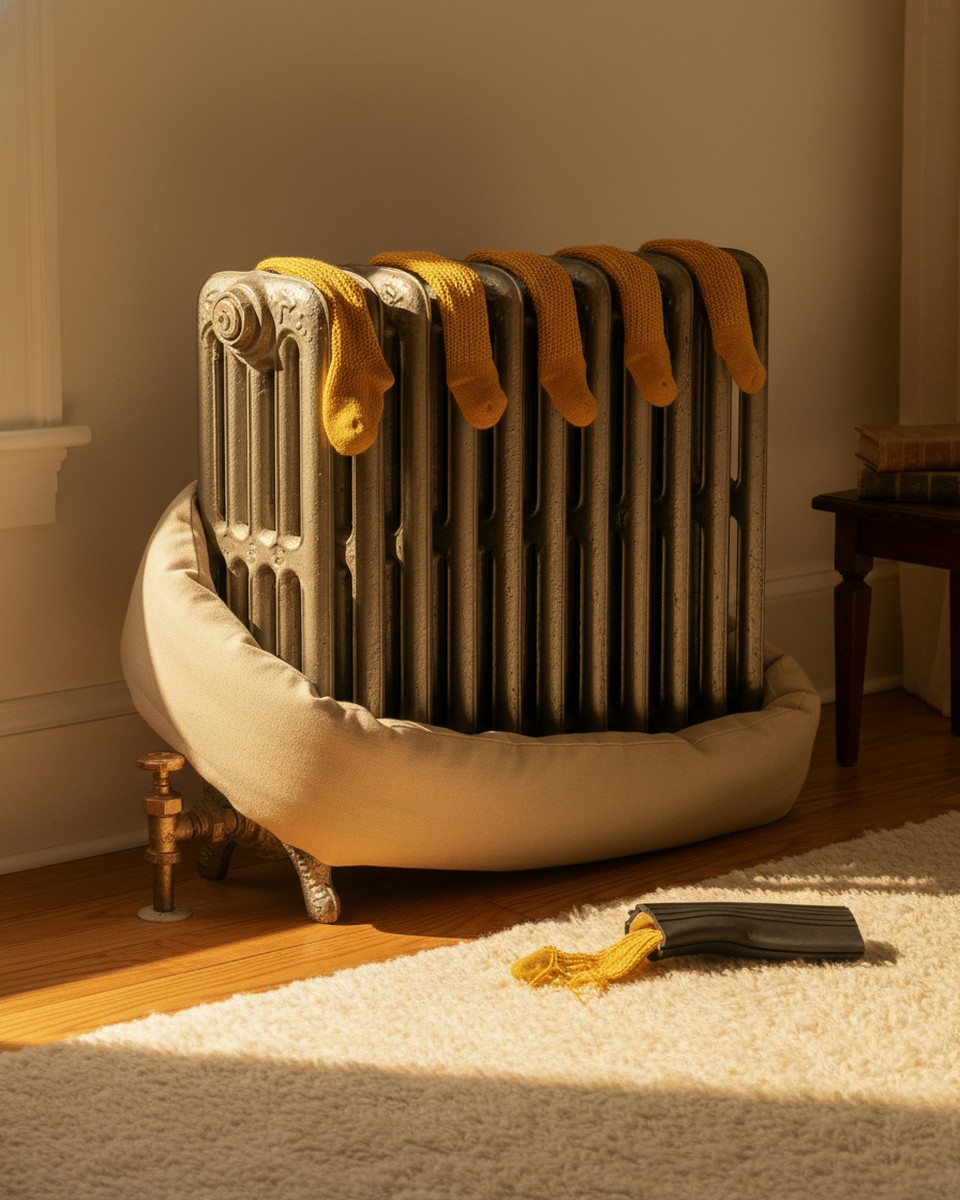
One such unconventional technique, which might at first appear a bit 'odd' or DIY, involves installing a reflective barrier behind your radiators. This isn't necessarily about expensive, custom-fitted panels. Simple, robust materials can be incredibly effective. For instance, using heavy-duty kitchen foil mounted onto card or purpose-made radiator reflector foil can make a remarkable difference. When carefully cut and adhered to the wall behind the radiator, these reflective surfaces redirect heat that would otherwise be lost into the masonry, bouncing it back into your room.
The visual aspect is key here. While commercial solutions exist, many homeowners opt for DIY versions using readily available materials. This can sometimes give a slightly 'unpolished' look if not meticulously installed, leading some to dismiss it as an ineffective or unattractive solution. However, the energy-saving benefits far outweigh any minor aesthetic concerns, especially since much of it is hidden behind the radiator itself.
Why This Method Works So Well
- Heat Reflection: The reflective surface bounces radiant heat back into the room, ensuring more of your heating energy stays where it's needed.
- Reduced Heat Loss: It creates a barrier that slows down the transfer of heat from the radiator into the cold exterior wall.
- Cost-Effective: The materials are often inexpensive and easy to source, making it a very high-return investment for your heating budget.
According to the Energy Saving Trust, effective insulation and preventing heat loss are crucial for reducing energy consumption. While they advocate for broader measures, the principles behind this simple reflective barrier align perfectly with their recommendations to maximize heat retention from existing systems. Similarly, reputable DIY resources like WikiHow often feature straightforward, budget-friendly home improvement tips that prioritize function over elaborate aesthetics.
So, before you embark on expensive overhauls, consider this visually distinct but powerful home method. It's a prime example of how a small, often overlooked detail can lead to substantial reductions in your heating bill, proving that sometimes, the simplest solutions are indeed the most ingenious.